Common DIY drain fixes plumbers don’t recommend (and why)
When dealing with blocked drains, it is tempting to search for DIY solutions and try the first one you find online. Many DIY methods promise quick results using items you already have at home.
However, it is important to know that some of these methods can make the blockage worse, damage your pipes, or only offer a temporary solution instead of fixing the real issue. What looks like a quick fix can sometimes lead to a bigger plumbing problem.
In this blog, our plumbers in Burwood explain the most common DIY drain fixes that plumbers don’t recommend, why they can make a drain blockage worse, and when it is better to call a professional plumber.
Not every DIY drain fix is as safe as it sounds. Get trusted solution before the problem gets worse. Call Doherty Plumbing Solutions on 03 9877 5775 or submit an enquiry to speak with a trusted local plumber.
Why some DIY drain fixes can cause more damage
Drain blockages can be complicated. While minor issues near the surface can sometimes be cleared safely, deeper problems often involve grease buildup, solid debris, or even tree roots.
DIY methods that do not match the cause of the blockage can:
- Push the obstruction further down the pipe
- Damage pipe joints or internal surfaces
- Delay proper repair
- Increase the risk of water damage
This is why licensed plumbers recommend caution before attempting multiple DIY solutions.
When boiling water is not the right fix
Pouring boiling water down the drain is one of the most common home remedies. It can help soften light grease in a kitchen sink, but it is not always safe.
In older plumbing systems, repeated exposure to boiling water can weaken pipe joints or affect certain materials. It may also push grease further down the pipe, where it cools and hardens again.
Hot water can be useful in some situations, but it is not a reliable fix for most blocked drains.
Using baking soda and vinegar repeatedly
Another popular method involves pouring a cup of baking soda followed by vinegar. This creates a mild reaction that may help loosen small amounts of debris.
However, repeatedly pouring a cup of baking soda and vinegar into the drain will not clear a solid blockage. It does not remove grease buildup, compacted debris, or tree roots.
This method is better suited for light maintenance rather than fixing a clogged drain pipe.
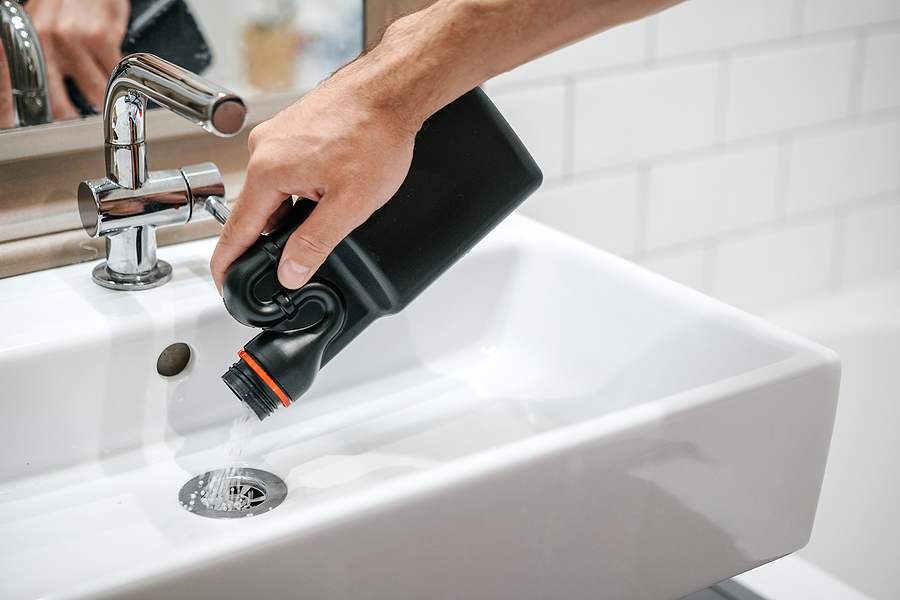
Relying on chemical drain cleaners
Many homeowners turn to a drain cleaner when DIY methods do not work. Chemical drain cleaners are widely available and marketed as fast-acting solutions.
However, these products are one of the most common DIY fixes plumbers don’t recommend. They can damage your pipes, especially in older systems, and may not clear the actual cause of the blockage.
Chemical drain cleaners damage your pipes; repeated use can weaken your plumbing system and make future repairs more complicated.
Using the wrong tools or too much force
Trying to force a blockage through using household items can make the situation worse. Tools that are not designed for drain cleaning can scratch pipes, damage seals, or push the blockage deeper.
Professional equipment is designed to clear the drain safely without causing additional damage. This is especially important if the blockage is not near the surface.
Overlooking the habits that cause repeat blockages
Many blockages start with everyday habits. Grease, food scraps, coffee grounds, and other materials that should never go down the drains gradually build up and restrict flow.
Addressing these habits is often more effective than trying repeated DIY fixes.
When DIY fixes are not appropriate
Some problems go beyond what DIY methods can safely handle.
Signs you should stop and call a professional plumber include:
- Multiple fixtures are affected
- The blockage keeps returning
- Water is not draining at all
- You notice sewer smells
- You suspect tree roots in the drain line
What actually works instead
If you are wondering how to fix a clogged drain pipe safely, the best approach is to start with simple checks and avoid aggressive methods.
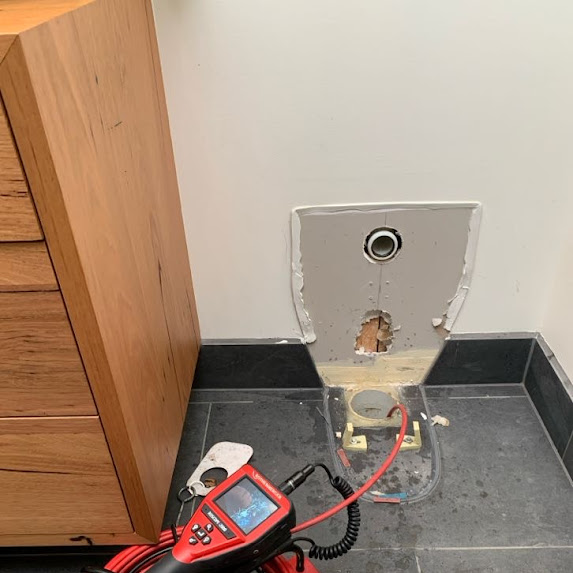
For minor issues, you can try safe steps like removing visible debris or flushing with hot water in moderation. For more serious blockages, professional plumbers use mechanical equipment to remove the cause of the problem, not just the symptoms.
When to call a professional plumber
If DIY methods are not working or the problem keeps returning, it is time to speak with a professional plumber.
Licensed plumbers like Doherty Plumbing Solutions have the tools and experience to identify the cause of the blockage and clear it safely without damaging your plumbing system.Get your blocked drain cleared properly. Call 03 9877 5775 or submit an enquiry to book a professional drain inspection and get your drains flowing properly again.