
Date Published: February 20, 2026, Last Updated on February 20, 2026 by Brian Doherty
When a sink or shower blocks, many homeowners reach for a chemical drain cleaner as a quick fix. These products promise fast results and are easy to find at supermarkets and hardware stores.
The label often claims they can dissolve hair, grease, and debris in minutes without tools or professional help. It sounds simple. Pour it in, wait, and flush with water. But inside your pipes, a strong chemical reaction is taking place, which can pose risks.
In this blog, our plumbers in Burwood explain how chemical drain products work, the risks they pose to your plumbing system, and when drain cleaning should be left to professional plumbers.
If you are dealing with a stubborn blockage and want trusted solutions, call 03 9877 5775 or submit an enquiry to speak with an experienced licensed plumber.
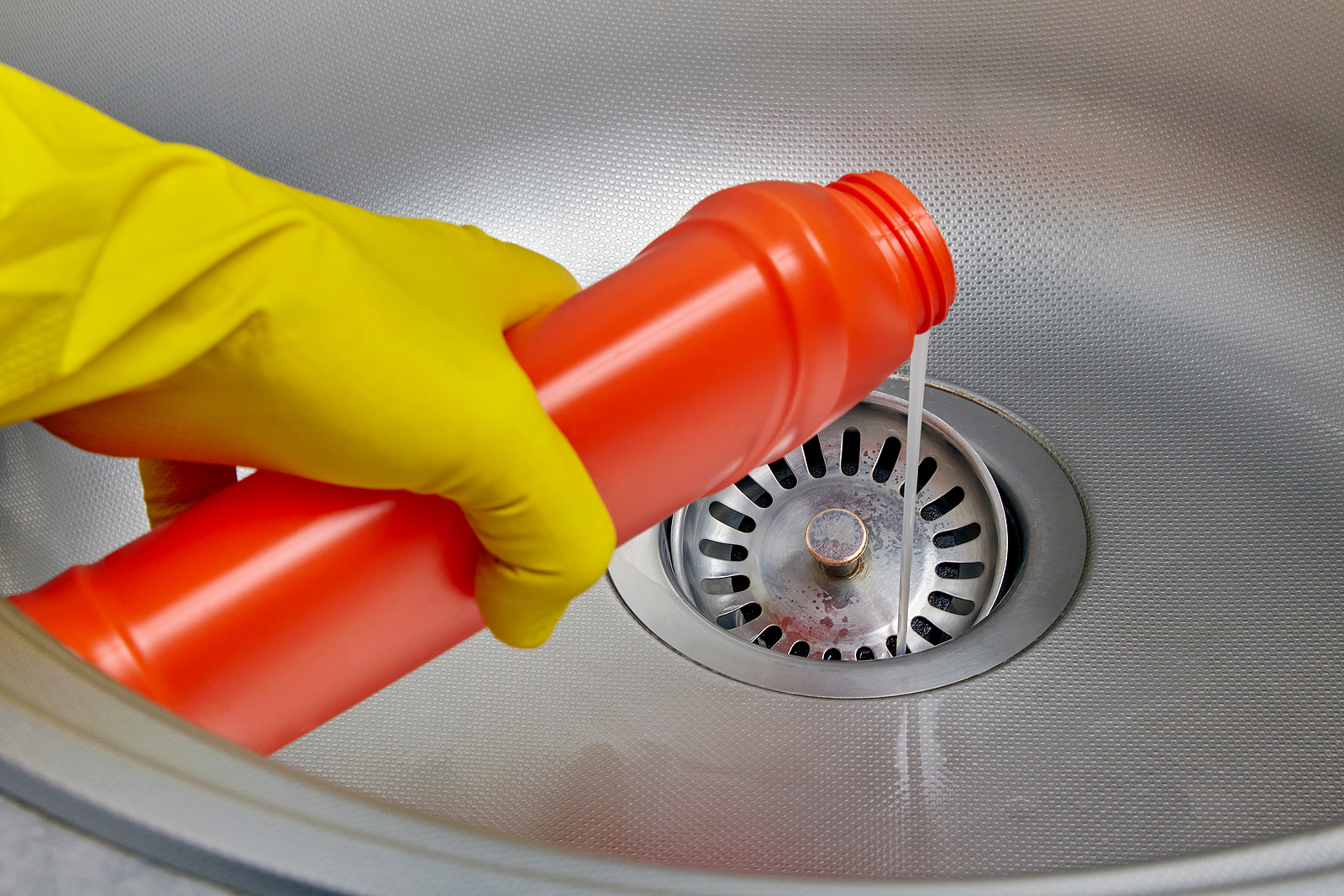
How a chemical drain cleaner works
Most chemical drain cleaners rely on strong reactions to break down organic material. There are different types of drain cleaners, including alkaline, oxidising, and acidic.
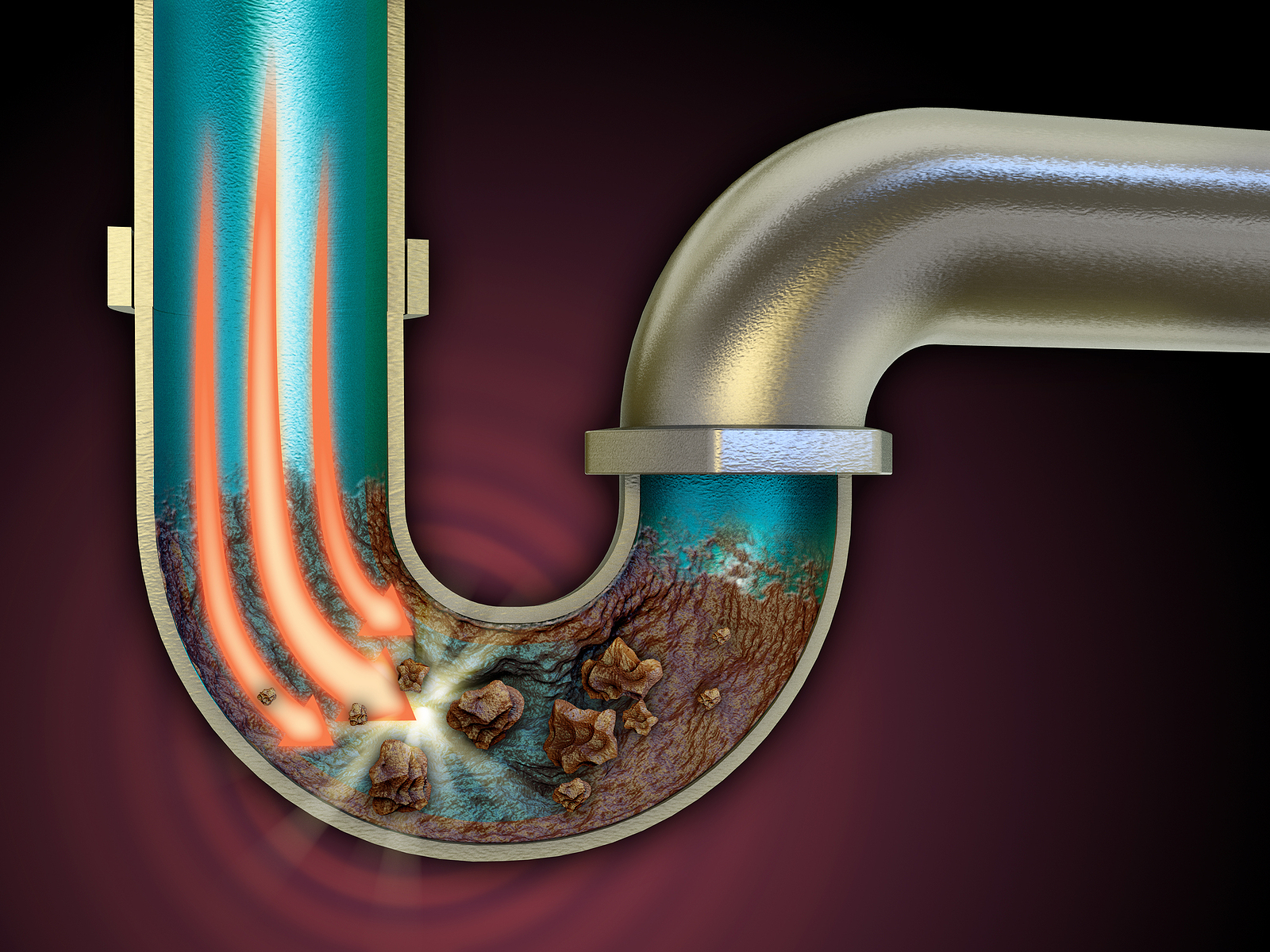
Alkaline products often contain sodium hydroxide. Acidic drain cleaners may contain sulfuric acid or hydrochloric acid. These chemicals react with hair, grease, and other debris. During this process, they generate heat to dissolve or soften the clog.
That heat is what makes them effective. It is also what makes them risky.
While a drain cleaner chemical may clear a small surface blockage, it does not remove the underlying cause if the pipe is damaged or obstructed deeper in the line.
Can chemical drain cleaners damage pipes?
Yes, in certain situations, they can.
Repeated use of chemical drain products can weaken older pipes, particularly metal or ageing PVC. The heat generated during the reaction can soften plastic pipes. Corrosive ingredients may gradually corrode metal pipework or seals.
If a blockage is severe, the chemical may sit in one section of the plumbing system for an extended period. This increases the chance of pipe damage.
These products can also damage fixtures, seals, and trap components if misused.
In homes with older sewer lines, especially where tree roots may already be present, chemical drain cleaners will not fix the structural issue.
Health and safety risks of chemical drain cleaners
Chemical drain cleaners are highly corrosive. Direct contact can cause burns to the skin and eyes. Fumes may irritate the respiratory system.
Mixing different drain cleaner products can create dangerous reactions. Acidic drain cleaners containing sulfuric acid or hydrochloric acid should never be combined with other chemicals.
These products can also affect septic systems by killing beneficial bacteria. A small, occasional use may not completely destroy a septic system, but regular chemical exposure can weaken bacterial activity and lead to performance issues.
Professional plumbers must take extra care when working on pipes that contain residual chemical drain cleaner. It increases risk during drain cleaning and repairs.
Why chemical drain cleaners often fail
A chemical drain cleaner may break down surface hair or grease. However, it does not remove solid obstructions, collapsed pipes, or heavy root growth.
It also does nothing to improve long-term drainage health. Without regular maintenance, blockages often return.
Many recurring drain problems are caused by everyday habits. Grease, food waste, and other materials that should not go down your drain gradually build up over time.
In these cases, it is better to address the cause rather than repeatedly applying chemicals.
Some DIY methods are safer for minor blockages. For example, baking soda and vinegar may help loosen light debris near the drain opening. However, there are also common DIY fixes that plumbers don’t recommend, particularly when they involve harsh products or unsuitable tools.
When should you avoid chemical drain products?
Avoid using chemical drain cleaners if:
- The blockage keeps returning
- Multiple fixtures are affected
- You suspect tree roots in your sewer lines
- You have older metal or earthenware pipes
- Water is completely blocked and not draining at all
In these situations, professional inspection is safer and more effective.
What do professional plumbers use instead?
Professional plumbers rely on mechanical drain cleaning methods rather than harsh chemicals.
This may include:
- Drain machines that physically cut through debris
- CCTV inspection equipment when further diagnosis is required
- Excavation and repair if a broken or collapsed pipe section is identified
- For severe structural issues, pipe relining may be recommended
These methods clear blockages without introducing corrosive substances into your plumbing system.
If you are unsure what you can safely try before calling a blocked drain plumber, simple physical checks are safer than repeated chemical use.
A better approach: prevention and regular maintenance
The most effective way to avoid blocked drains is to prevent them.
- Do not pour cooking oils or fats down the sink
- Avoid flushing wipes or hygiene products
- Use drain strainers to catch hair
- Schedule periodic inspections for older homes
Regular maintenance protects your plumbing system and reduces the need for reactive drain cleaning.
Need safe and effective drain cleaning?
Chemical drain cleaners may seem convenient, but repeated use can cause damage and rarely solves the root cause of a blockage.
If you are dealing with a slow drain or recurring issue, speak with a trusted licensed plumber.Call 03 9877 5775 or fill out this form to arrange professional drain cleaning and protect your plumbing system.


