Date Published: December 14, 2025, Last Updated on January 13, 2026 by Brian Doherty
Your guide to safe and compliant Stormwater and Sewer Capping
If you’re preparing to demolish an existing home or commercial building, there’s a long list of tasks to sort out before work begins. One step that often gets overlooked is stormwater and sewer capping.
This part of the process is essential for safety, compliance, and a smooth transition into your new build.
Planning a demolition? Our licensed team can handle your stormwater and sewer capping from start to finish. Call us on 03 9877 5775 for clear advice and an upfront quote.
Why do you need assistance from an experienced and licensed plumber?
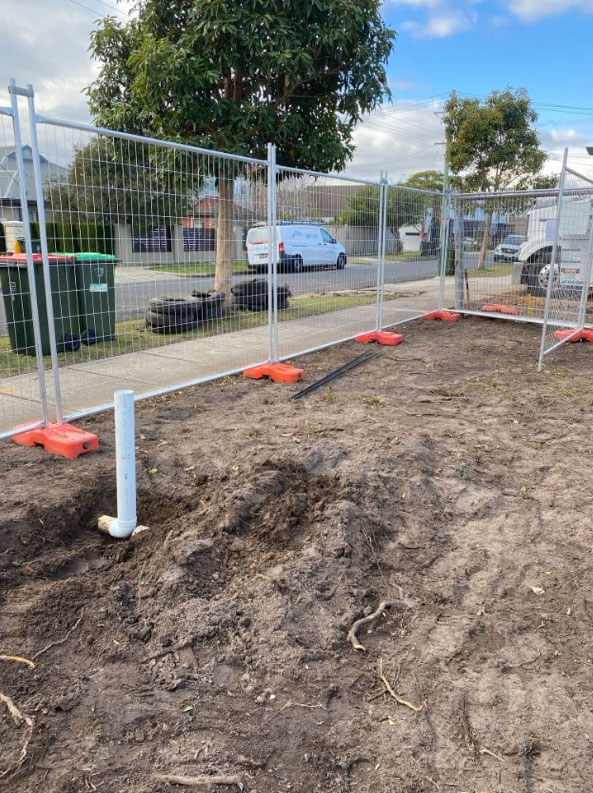
Stormwater and sewer lines must be sealed properly during demolition process. This is not a DIY task and must be carried out by a licensed plumber under Victorian plumbing regulations.
Here’s what the process involves:
- Getting consent from your local water authority
- Sealing sewer and stormwater lines using approved methods
- Issuing a Compliance Certificate once the work is completed
- Ensuring everything meets Building and Plumbing Commission (BPC) requirements
Across Melbourne’s eastern suburbs, older homes often still have clay sewer or stormwater pipes. These can crack, shift, or crumble during excavation.
Our plumbers ensure the sewer line is capped to the relevant authority point, which is a requirement before the new build commences.
With nearly 40 years of industry experience, we make sure the work is done once and done properly.
Why is stormwater and sewer capping essential in your property?
Capping is more than closing off a pipe. It protects the site during demolition and helps keep your project compliant.
1. It stops debris from entering your pipework
Demolition creates a lot of dust, rubble, and waste. If pipes are left open, they can fill with debris. This often leads to major sewer and stormwater blockages that are expensive to fix later.
2. It makes reconnection easier for your new build
When capped and marked properly, the sewer or stormwater connection point is simple to locate once construction begins. This saves time and avoids unnecessary excavation.
3. It prevents unauthorised discharge into the sewer network
Under the Utilities Act 2000, it’s an offence for demolition waste, groundwater, stormwater, or unapproved liquids to enter the sewer system. Uncapped sewer pipes can allow materials such as:
- asbestos fibres
- cement slurry
- synthetic mineral fibres
- contaminated water
4. It protects workers and the site
Open drains can collapse or become unstable under heavy machinery. Proper capping keeps the site safer for everyone working on it.
Temporary vs permanent capping
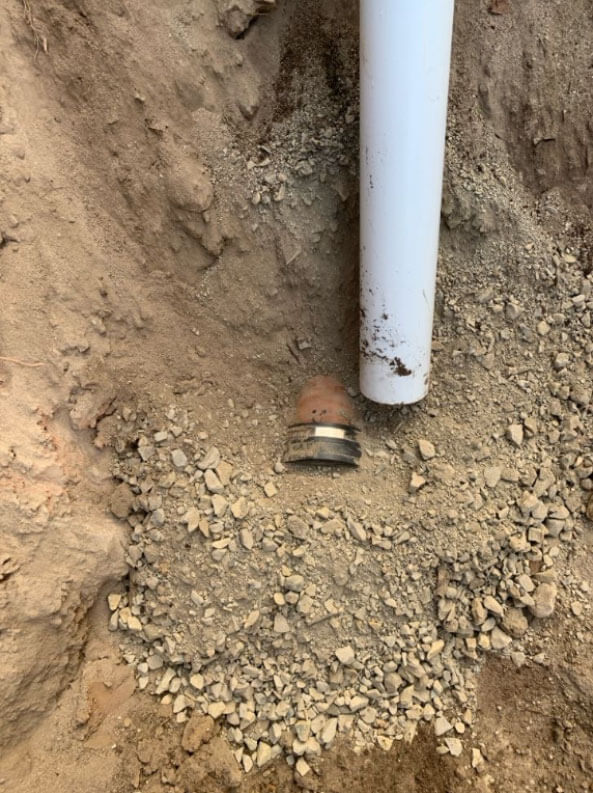
Most demolition jobs require temporary capping. The pipe is sealed during the build and later reconnected.
Permanent disconnection may be required if:
- The new build won’t start within 12 months
- The original connection point is no longer needed
- The layout of the property is changing
We assess your property and guide you on the correct approach.
Capping in older Melbourne homes
Many suburbs in Melbourne’s east have older homes with original plumbing. These systems can include:
- Clay pipes
- Root damage
- Cracked sections
- Misaligned joints
The line is capped back at the authority point, and all old stormwater or sewer piping on the property is removed during demolition and excavation.
Need help with sewer and stormwater capping?
Doherty Plumbing Solutions provides licensed, compliant capping work for demolition projects across Melbourne’s eastern suburbs.
We communicate clearly, manage all the regulatory requirements, and give you peace of mind that the job is done right.
Speak with our licensed plumbing team
If you want your demolition to run smoothly, our team can take care of the capping work and guide you through the requirements.
Call us on (03) 9877 5775 or submit an enquiry for clear advice and an upfront quote.